Funny Christmas: Injecting Playful Typography into Holiday Design
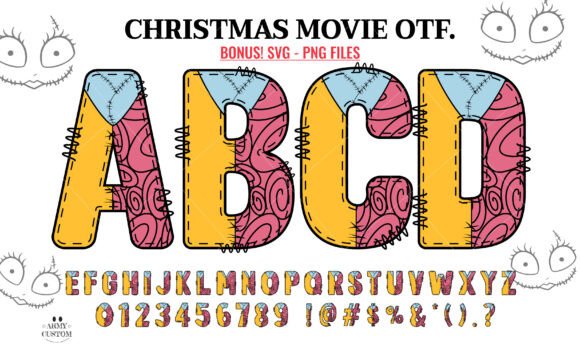
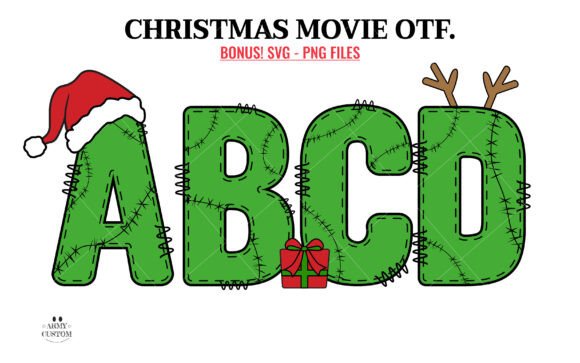
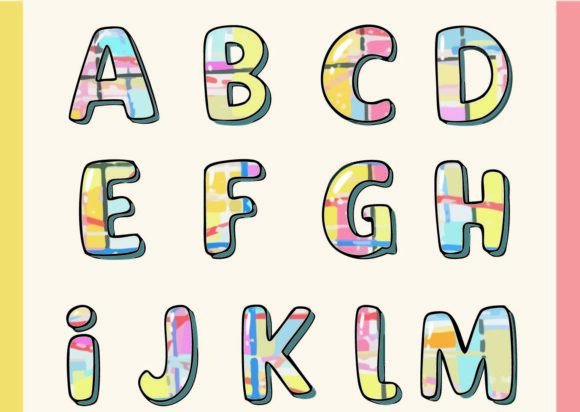
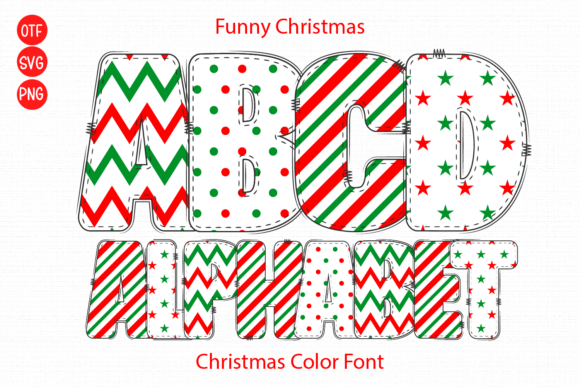
When a design brief calls for lightheartedness, few tools are as immediately effective as a characterful typeface. Funny Christmas is a vibrant, playful font designed to capture the quintessential joy and merriment of the festive season. In the realm of graphic design, typography is not merely a vehicle for information but a primary carrier of emotion and tone. This particular font, with its jubilant colors and unique letter shapes, offers a distinct visual voice that stands apart from the traditional, often rigid, serif and sans-serif options typically associated with corporate branding.
The Psychology of Playful Typography in Branding
In modern visual design, the choice of typeface directly influences user perception. While a serif font might suggest history and reliability, a whimsical display font like Funny Christmas communicates approachability, fun, and creativity. For designers and business owners, this is a powerful tool for breaking the ice with an audience. When applied to branding elements during the holiday season, it signals to customers that the brand is in on the celebration, fostering a sense of community and shared joy. This shift in tone can be crucial for brands looking to humanize their image or target a younger, more dynamic demographic.
Practical Applications for Creative Projects
The versatility of a themed font extends far beyond simple text on a page. In graphic design, assets must be adaptable to various mediums to provide value. The visual impact of Funny Christmas makes it an excellent candidate for a wide range of creative applications where a high-energy aesthetic is required.
- Marketing and Advertising: Use the font to create eye-catching headers for email campaigns or social media graphics. Its playful nature increases click-through rates by breaking the visual monotony of standard newsfeeds.
- Packaging Design: For seasonal products, the font can be used on labels or box art to instantly communicate the product's festive nature without requiring extensive illustration.
- Event Branding: From corporate holiday parties to community gatherings, the font sets a relaxed and jovial mood on invitations, banners, and signage.
- Digital Products: It serves as a fantastic resource for creating printable wall art, greeting cards, or digital stickers that add personality to a user’s device.
- Editorial Design: Magazine layouts or blog posts covering holiday trends can utilize this typography for pull quotes or section breaks to maintain reader engagement.
Technical Considerations and Design Workflow
While aesthetic appeal is paramount, professional designers must always consider the technical constraints of their tools. A polished, professional presentation relies on compatibility. It is vital to understand the file formats provided with any creative asset. For instance, while a black version of a font might be universally compatible with cutting machines like Cricut Design Space, color fonts often operate differently. They frequently rely on specific OpenType features that are supported by advanced design software such as Adobe Photoshop, Illustrator, or Inkscape, but may not render correctly in standard word processors or basic cutting software.
Before integrating a new asset into a design workflow, always verify its scalability and readability at various sizes. A font that looks stunning on a large banner may become illegible if used for fine print or UI design text. Ensuring that the visual hierarchy remains intact—where headlines grab attention but body text remains easy to read—is essential for effective communication.
Elevating Visual Communication
Ultimately, the goal of graphic design is to solve problems through visual solutions. Whether you are crafting a social media strategy, designing merchandise, or refreshing a website’s holiday theme, the resources you choose define the quality of the outcome. Thoughtful design choices, such as selecting a typeface that perfectly aligns with the campaign's emotional intent, can transform a standard message into a memorable experience. By leveraging high-quality creative assets that prioritize both form and function, designers can ensure their work not only looks beautiful but also resonates deeply with their intended audience.