Meadow: A Color Font Revolution in Graphic Design
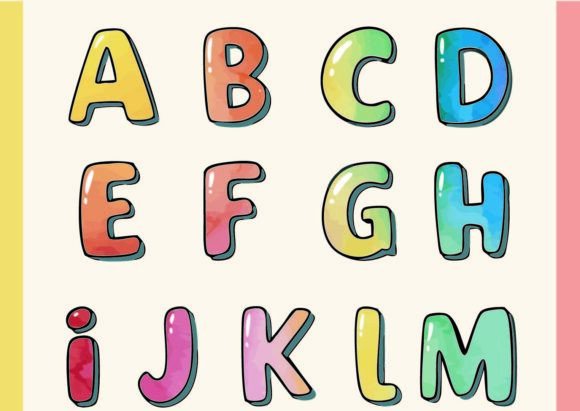
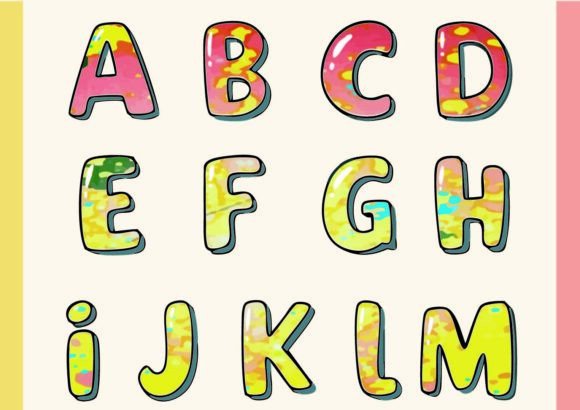
Imagine a typeface where each letter is not merely a shape, but a complete, vibrant composition. This is the promise of Meadow, a color font that transforms every glyph into a unique, multicolored masterpiece. For graphic designers and visual creators seeking to break free from monochromatic constraints, Meadow offers a direct path to stunning, complex visual hierarchies without the need for manual coloring or layering.
Understanding the Meadow Color Font
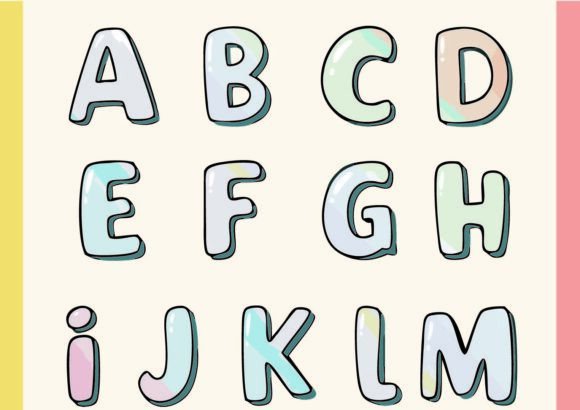
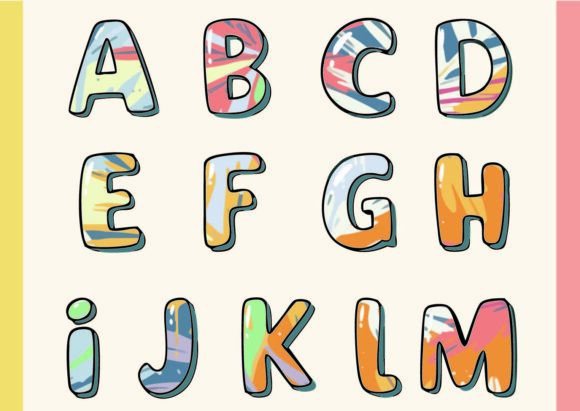
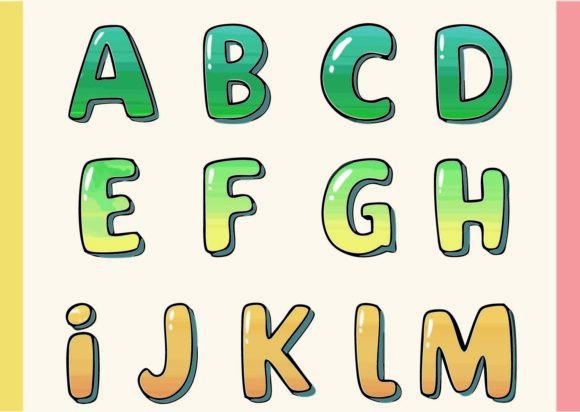
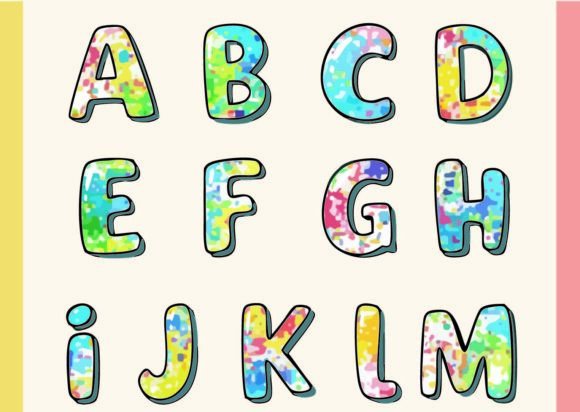
Meadow is an OpenType-SVG color font. Unlike traditional fonts that rely on single-color outlines, this technology embeds rich, multi-color graphics directly into each character. Every single glyph in the Meadow font features a different, intricate set of colors and complex vector paths, creating a visual effect akin to a typographic painting. This isn't just a font; it's a curated collection of digital art pieces designed for communication.
The practical implications for your design workflow are significant. With Meadow, you can achieve a level of visual richness and uniqueness that previously required hours of custom illustration or advanced software techniques. It streamlines the creation of eye-catching headlines, logos, and decorative text, allowing you to focus on broader creative concepts.
Practical Applications for Modern Creators
The versatility of a color font like Meadow makes it a powerful asset across numerous creative projects. Its inherent visual impact is suited for any context where capturing immediate attention is paramount.
- Branding and Logo Design: Use Meadow to craft a brand name or logo mark that is instantly memorable. The colorful, complex nature of the glyphs ensures your identity stands out in a crowded marketplace.
- Social Media Graphics: Create scroll-stopping headlines for Instagram posts, YouTube thumbnails, or Pinterest pins. The font's built-in visual complexity adds professional polish to digital marketing materials.
- Editorial and Web Design: Apply it to pull quotes, article titles, or section headers in magazines and websites to establish a bold, modern aesthetic and guide the reader's eye.
- Packaging and Merchandise: Elevate product packaging or apparel design with typographic elements that are vibrant and engaging, enhancing shelf appeal and perceived value.
- Presentations and Advertising: Make key messages in slide decks or ad campaigns unforgettable by presenting them in a format that feels both artistic and authoritative.
Integrating Meadow into Your Design Workflow
Adopting a specialized asset like Meadow requires consideration of your existing design systems and project goals. Here are key factors for effective use:
- Compatibility and Software: Meadow is delivered as OTF and/or TTF files. It is a color font (OpenType-SVG) and is compatible with major design applications including Photoshop, Illustrator, Silhouette, and Inkscape. Always verify support in your specific software version.
- Visual Hierarchy and Readability: Due to its ornate style, Meadow is best suited for display purposes—headlines, logos, and short phrases. Pair it with a clean, simple sans-serif or serif font for body text to maintain readability and a balanced visual hierarchy.
- Color Palette Consideration: While the font has its own fixed color scheme, consider how its hues interact with your project's broader color palette. The complex colors can serve as an inspiration point for the rest of your design.
- Audience and Context: Evaluate whether the font's playful, artistic, and highly detailed style aligns with your audience's expectations and the project's tone. It excels in creative, lifestyle, fashion, and entertainment contexts.
Thoughtful design choices are what separate good work from great work. Incorporating a premium creative asset like the Meadow color font is an investment in visual impact and professional presentation. It empowers you to communicate with a level of sophistication and artistry that can elevate your brand, captivate your audience, and transform ordinary projects into extraordinary visual experiences. By leveraging such innovative tools, you enhance not only the aesthetics of your work but also its effectiveness in telling a compelling story.